
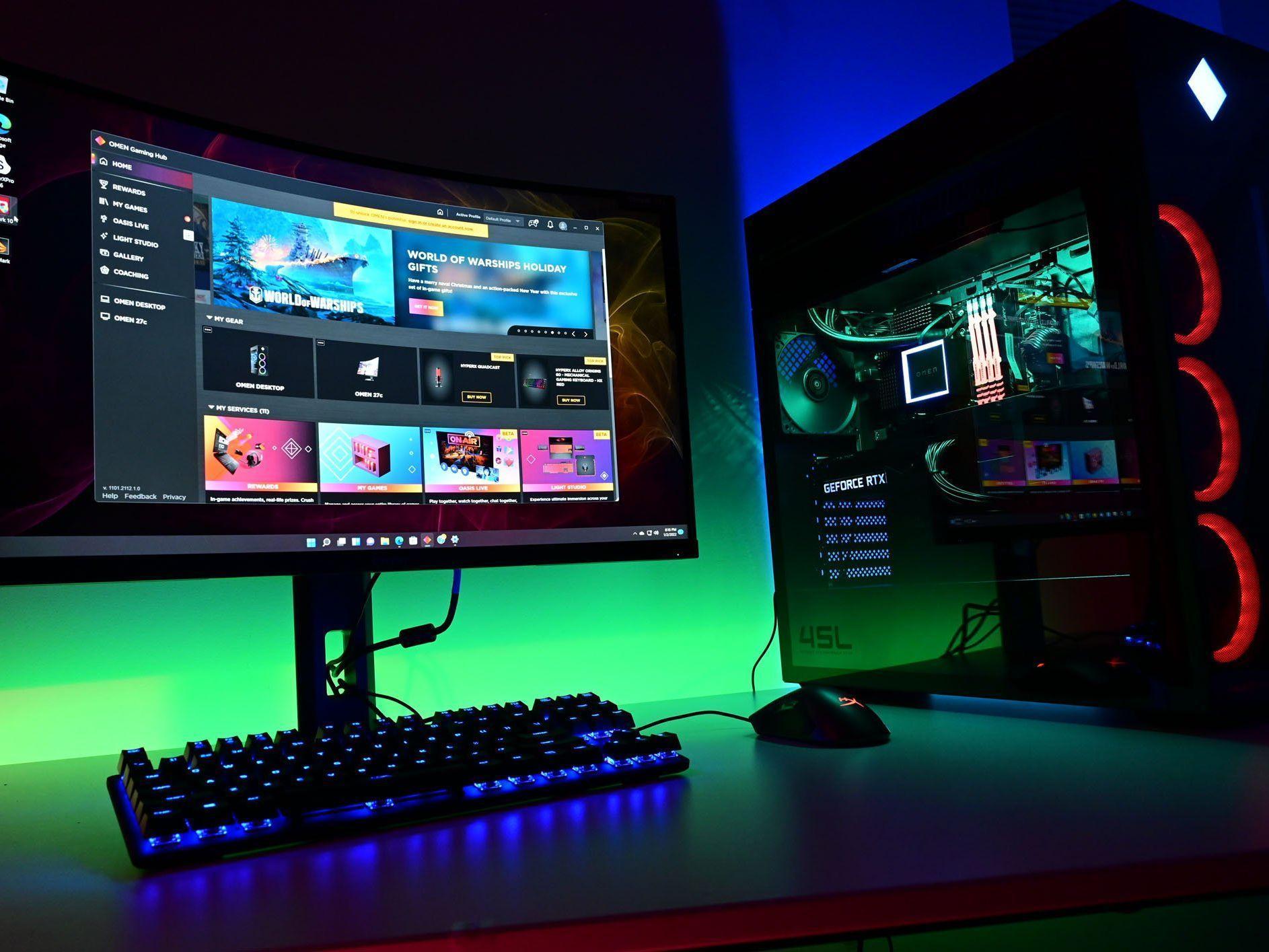
Modern computing demands are constantly evolving, pushing hardware and software to their limits. Users often find their systems struggling to keep pace, leading to frustration and lost productivity. The seamless operation once enjoyed can degrade over time, impacted by accumulated data, background processes, and inefficient resource allocation. This gradual decline often goes unnoticed until critical tasks become slow or unresponsive, highlighting a significant need for proactive system management.
The digital landscape is increasingly complex, with applications requiring more processing power and memory than ever before. From professional design suites to intricate data analysis tools, a well-optimized machine is not just a convenience but a fundamental requirement for achieving peak efficiency. Without proper attention, even powerful hardware can be bottlenecked by software inefficiencies, creating a noticeable gap between potential and actual performance.
Many users attribute sluggish performance solely to aging hardware, often overlooking the substantial impact of software-related issues. Fragmented files, registry errors, outdated drivers, and resource-hungry background applications can collectively cripple a system, regardless of its specifications. Identifying and addressing these underlying problems is crucial for restoring responsiveness and extending the useful life of existing equipment, offering a more sustainable approach.
The true potential of a personal computer is often obscured by these hidden performance drains. Imagine a scenario where every click is instantaneous, every application launches without delay, and multitasking becomes effortless. This ideal state is achievable not just through brute-force hardware, but through intelligent optimization that targets the root causes of slowdowns. Understanding the intricate interplay between system components is the first step towards unlocking this enhanced experience.
A comprehensive performance scan acts as a diagnostic tool, meticulously examining every aspect of your system's operation. It delves deep into processes, resource utilization, and potential bottlenecks, providing a clear picture of what needs attention. This analytical approach moves beyond superficial fixes, offering insights that empower users to make informed decisions about their system's health. Such a scan is indispensable for maintaining efficiency.
Applications and Considerations
- For Creative Professionals: Ensures seamless execution of demanding software like video editors and graphic design tools. Pros: Reduces rendering times, prevents crashes during complex operations. Limitations: Cannot compensate for fundamentally underpowered hardware.
- For Business Productivity: Optimizes office suites, communication platforms, and database access for faster workflows. Pros: Enhances multitasking capabilities, improves data processing speed. Limitations: Requires regular scans to maintain peak performance amidst constant software updates.
- For Everyday Users: Improves general system responsiveness, web browsing speed, and application launch times. Pros: Creates a smoother, more enjoyable computing experience. Limitations: User intervention might still be needed for certain complex software configurations.
Expert Perspectives on Performance Optimization
Experts widely agree that regular system optimization is not merely a luxury but a fundamental aspect of maintaining digital infrastructure. The consensus points to the fact that even minor inefficiencies, when aggregated, can lead to substantial performance degradation over time. Specialized diagnostic tools, like the IDs Process Performance Scan, are increasingly viewed as essential, providing a structured approach to identifying and mitigating these issues, moving beyond anecdotal troubleshooting.
There is a nuanced debate regarding the optimal frequency and depth of such performance analyses. Some argue for continuous, real-time monitoring to catch issues as they emerge, while others advocate for periodic, in-depth scans to avoid constant system resource consumption by monitoring tools themselves. The balance often lies in understanding the user's specific workflow and the criticality of their applications, tailoring the approach to individual needs.
A common misconception is that modern operating systems inherently manage all performance aspects perfectly. While OS developers continually improve resource allocation, they cannot account for every third-party application's behavior or the cumulative effect of user habits. This is where dedicated performance scans provide significant value, offering a layer of analysis that goes beyond standard system utilities, pinpointing specific software conflicts or resource hogs.
The effectiveness of performance optimization tools is also a subject of scrutiny. Critics sometimes suggest that many tools offer only superficial fixes. However, sophisticated solutions, such as those provided by IDs Process, differentiate themselves by performing deep-level process analysis and offering actionable insights rather than just generic recommendations. This distinction is vital for users seeking tangible improvements and a clear understanding of their system's health.
Final Observations and Recommendations
Maintaining optimal PC performance is an ongoing endeavor, not a one-time task. The dynamic digital environment, with constant software updates and new applications, consistently impacts system efficiency. A proactive approach ensures your computer remains a reliable and responsive tool, handling demands without unexpected slowdowns.
Tools like the IDs Process Performance Scan offer a clear pathway to understanding and improving your system's health. By providing detailed insights into processes and resource utilization, they empower users to implement targeted optimizations. This analytical clarity is invaluable for maximizing your computing experience and extending hardware lifespan.
Comments (4)


Jose Bailey
We're glad you found the insights valuable! Our goal is to empower users with the knowledge and tools to keep their systems running smoothly. Feel free to explore more about our scan's capabilities.

Evelyn Cooper
I'm always skeptical about 'performance boost' tools, but the emphasis on diagnostics and understanding root causes here is interesting. How does this compare to built-in Windows tools?

Leonard Morales
That's a fair point. While built-in tools offer basic insights, IDs Process Performance Scan provides a deeper, more granular analysis of individual processes and resource allocation, identifying subtle bottlenecks that standard utilities might miss. It offers a more comprehensive diagnostic picture.
Rocco Ray
This article really highlights the importance of regular PC maintenance. I've noticed my system slowing down, and this scan sounds like a great way to pinpoint the exact issues. Very informative.